.png)
.png)

Daniel Saks
Chief Executive Officer


Most folks think of go-to-market as just sales and marketing working together, but honestly, the discipline has evolved into something far more technical and systematic. GTM Engineering is the discipline of designing, building, and maintaining AI-powered systems that automate sales, marketing, and customer success workflows—creating scalable revenue engines that don't require proportional headcount growth. Companies implementing GTM Engineering achieve 56% higher conversion rates and 93% higher revenue growth compared to traditional approaches.
Now, the distinction between GTM Engineering and traditional RevOps is crucial. RevOps focuses on process governance and team alignment, while GTM Engineers are technical builders who create automated revenue systems using no-code platforms, APIs, and AI agents. This role literally couldn't exist without modern AI capabilities—it emerged specifically because generative AI eliminated the need for custom engineering for tasks that previously required either manual research or specialized development talent.
The science behind GTM Engineering is still evolving, but the results are clear: organizations can replace 5-7 SDRs with a single GTM Engineer through intelligent automation. If you're considering implementing GTM Engineering capabilities, it's worth understanding the core principles, required skills, and tools that make this approach so effective—plus, you'll want to evaluate platforms that can accelerate your implementation without requiring extensive technical expertise.
GTM Engineering represents a fundamental shift from manual, headcount-driven growth to systems-driven, AI-powered revenue operations. Unlike traditional GTM approaches that rely on hiring more sales development representatives (SDRs) or running more campaigns, GTM Engineering applies software engineering principles to design, build, and optimize scalable revenue-generation systems.
GTM Engineering is the discipline of designing, building, and maintaining AI-powered systems that automate sales, marketing, and customer success workflows. According to Clay, which pioneered the category, GTM Engineers bridge the gap between traditional sales/marketing operations and technical execution, creating automated workflows, data pipelines, and intelligent systems that enable companies to scale growth without proportionally scaling headcount.
The role combines technical skills (SQL, Python, API integration) with deep GTM knowledge (funnels, buyer journeys, ICP validation). Rather than just optimizing existing processes like traditional RevOps, GTM Engineers actually build new automation capabilities that didn't previously exist.
GTM Engineering emerged prominently in 2023-2024 as AI tools made complex automation accessible to non-engineering teams. Before modern AI capabilities, companies had two options for scaling GTM operations: hire more people or invest in custom engineering. Both approaches were expensive and slow to implement.
Now, with agentic AI and no-code automation platforms, GTM Engineers can automate research on thousands of companies simultaneously, generate creative messaging at scale, and stitch together complex qualification logic without traditional coding. This represents a shift from "coding software" to "coding revenue."
The business impact of GTM Engineering is quantifiable and significant. Organizations implementing GTM Engineering capabilities achieve:
These metrics demonstrate that GTM Engineering is not just operational efficiency but a fundamental growth multiplier that creates competitive advantages difficult for competitors to replicate.
Successful GTM Engineering requires a foundation built on three interconnected pillars: advanced technology (particularly AI), comprehensive data, and intelligent automation workflows.
AI is the enabling force behind GTM Engineering—it emerged specifically because generative AI, LLMs, and AI agents eliminated the need for custom engineering for complex GTM tasks. As Everett Berry, Head of GTM Engineering at Clay, explains: "GTM Engineering is one of the first AI-native jobs. It's a role that literally couldn't exist without modern AI capabilities."
Agentic AI systems like Landbase's GTM-2 Omni can interpret natural-language queries, perform semantic search, recognize ideal customer profiles (ICPs), and qualify contacts using comprehensive signal analysis. These systems continuously learn from billions of GTM data points and sales interactions to improve their targeting precision over time.
GTM Engineering requires access to comprehensive, real-time data across multiple dimensions. Effective systems leverage:
Platforms like Landbase provide access to 300M+ contacts and 24M+ companies with 1,500+ unique signals that enable precise targeting and qualification. This data foundation allows GTM Engineers to build sophisticated qualification logic that goes far beyond basic demographic targeting.
GTM Engineers focus on eight core areas that differentiate them from traditional RevOps:
The goal is to shift teams from "doing" to "designing" growth systems—moving from manual execution to strategic oversight of automated revenue engines.
Implementing GTM Engineering requires specific roles and responsibilities that differ significantly from traditional revenue operations teams.
The GTM Engineer role combines elements of software engineering, RevOps architecture, and GTM strategy. Key responsibilities include:
GTM Engineers serve as the crucial bridge between technical capabilities and commercial objectives. They translate business requirements into technical specifications and ensure that automated systems deliver measurable business outcomes.
This role requires understanding both the technical constraints of AI systems and the commercial realities of sales and marketing operations. GTM Engineers must be able to speak the language of both engineers and revenue teams to ensure effective collaboration.
Rather than replacing RevOps, GTM Engineering works best when integrated with existing revenue operations functions. The highest-performing teams use both in complementary ways:
Companies that try to make one role do both typically fail to achieve the full benefits of either approach. Successful implementation requires clear role delineation and collaborative workflows between RevOps and GTM Engineering teams.
While many companies struggle to implement GTM Engineering due to technical complexity and talent scarcity, platforms like Landbase are making these capabilities accessible to organizations of all sizes.
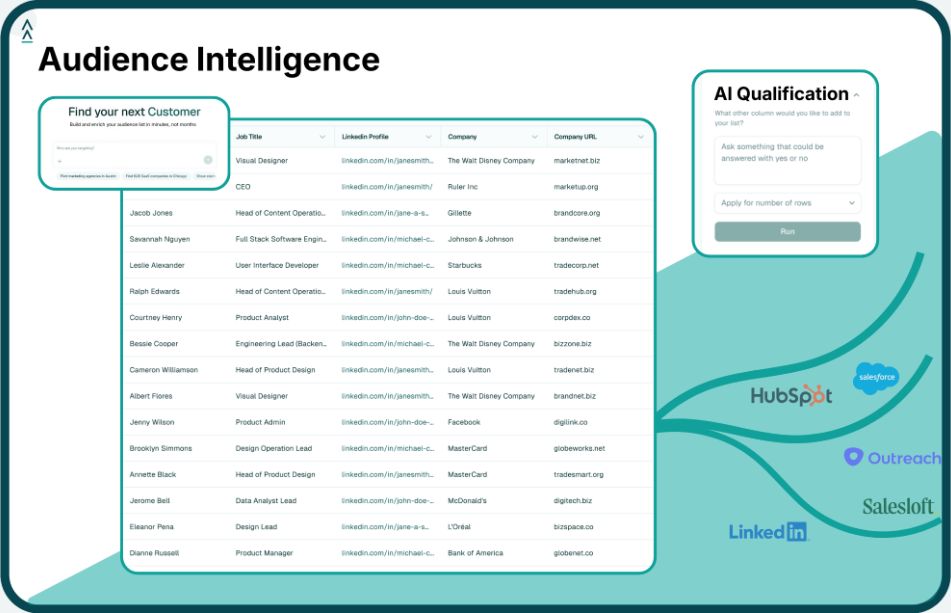
Landbase's approach to GTM Engineering centers on its GTM-2 Omni AI model, which was "trained on billions of data points from 50M+ B2B campaigns and sales conversations." This agentic AI system enables users to discover and qualify audiences using natural-language prompts like "SaaS startups in Europe hiring for RevOps" instead of complex boolean queries or manual research.
The platform's natural-language targeting capability eliminates the technical barrier that traditionally prevented non-technical GTM professionals from leveraging sophisticated audience discovery. This democratization of GTM Engineering capabilities allows companies to implement AI-powered workflows without hiring specialized GTM Engineers.
Landbase's workflow demonstrates the practical application of GTM Engineering principles:
This three-step process encapsulates the core GTM Engineering value proposition: replacing manual, time-intensive processes with automated, AI-powered workflows that deliver immediate business value. The VibeGTM interface makes this accessible to non-technical users while maintaining the sophistication required for enterprise-grade targeting.
Landbase's AI Qualification capability ensures that audiences aren't just discovered but properly qualified for sales readiness. The system evaluates prospects using 1,500+ signals to ensure audience fit and optimal timing, combining online signals (website visits, content engagement) with offline signals (funding rounds, hiring activity, leadership changes).
This comprehensive qualification approach addresses one of the biggest challenges in traditional GTM: delivering truly sales-ready leads rather than just contact information. By ensuring that prospects are both relevant and ready to buy, Landbase's AI qualification significantly improves conversion rates and sales efficiency.
Effective GTM Engineering requires clear metrics and key performance indicators to measure success and drive continuous improvement.
The most important KPIs for GTM Engineering include:
Organizations implementing GTM Engineering achieve 56% higher conversion rates and 93% higher revenue growth, demonstrating the measurable impact of this approach.
Landbase's Digital Trust Initiative introduces the concept of GTM Trust Score, which measures factors like website discoverability, marketing assets quality, positive reviews, and industry mentions. According to Landbase, "By the time most B2B buyers contact a company's sales team, 70% of their buying research has been already done online."
A high GTM Trust Score correlates with improved marketing ROI, decreased cost per lead, shorter sales cycles, and increased customer lifetime value. This metric provides a comprehensive view of a company's digital credibility and helps identify areas for improvement in the buyer's research journey.
Implementing GTM Engineering requires careful planning, the right tools, and attention to common pitfalls.
Successful GTM Engineering implementation follows a systematic approach:
The key is to start with clear business objectives and work backward to design the technical systems that will achieve those goals.
The most common challenges in GTM Engineering implementation include:
Addressing these challenges requires executive buy-in, cross-functional collaboration, and potentially leveraging platforms that can accelerate implementation without requiring extensive technical expertise.
The most successful AI integration approaches start with specific, high-impact use cases rather than attempting to overhaul entire GTM operations at once. Common starting points include:
These focused implementations deliver quick wins while building the foundation for more comprehensive GTM Engineering capabilities over time.
While building an in-house GTM Engineering capability requires significant investment in talent and technology, platforms like Landbase offer a faster path to AI-powered go-to-market automation.
Landbase's approach centers on making advanced GTM Engineering capabilities accessible to organizations of all sizes through its free audience builder. Rather than requiring companies to hire specialized GTM Engineers or invest in complex integration projects, Landbase provides immediate access to AI-powered audience discovery and qualification.
The platform's natural-language targeting eliminates the technical barriers that traditionally prevented non-technical GTM professionals from leveraging sophisticated audience discovery. Users can simply type prompts like "CFOs at enterprise SaaS companies that raised funding in the last 30 days" and receive AI-qualified exports with up to 10,000 contacts ready for activation.
Landbase's GTM-2 Omni AI model was "trained on billions of data points from 50M+ B2B campaigns and sales conversations" and continuously improves through feedback from prompt performance and offline AI qualification. This ensures that the platform delivers increasingly precise targeting over time, creating a compounding advantage for early adopters.
For companies looking to implement GTM Engineering principles without the complexity of building custom solutions, Landbase provides a proven, scalable foundation that delivers immediate business value while building the capabilities needed for long-term competitive advantage.
The future of GTM Engineering points toward increasingly autonomous systems that handle more aspects of revenue generation with minimal human intervention.
Landbase's mission statement captures this vision: "We're pioneering autonomous go-to-market to help you reclaim your day. At Landbase, we believe sellers should be more human, marketers more creative, and everyone should focus on what they do best."
This autonomous approach doesn't eliminate the human element but rather enhances it by removing repetitive, manual tasks and allowing professionals to focus on high-value activities like relationship building, strategic planning, and creative problem-solving.
As AI systems become more sophisticated, they will take on increasingly complex GTM functions:
These capabilities will create significant competitive advantages for companies that implement them effectively, with early adopters establishing moats that will be difficult for competitors to overcome.
AI enables GTM Engineers to automate complex tasks that previously required either manual research or specialized development talent. Landbase's GTM-2 Omni was trained on billions of GTM data points and can interpret natural-language queries, perform semantic search, recognize ICPs, and qualify contacts using 1,500+ signals. This eliminates technical barriers and makes sophisticated GTM Engineering capabilities accessible to non-technical users, allowing them to discover and qualify audiences instantly without complex boolean queries or coding.
The core role is the GTM Engineer, who combines technical skills (APIs, data pipelines, AI workflow design) with deep GTM knowledge (funnels, buyer journeys, ICP validation). Successful implementation also requires collaboration with RevOps for process governance and metrics, sales and marketing leaders for business requirements, and executive sponsors for strategic alignment. Rather than replacing RevOps, GTM Engineering works best when integrated with existing revenue operations functions in complementary ways.
Effective GTM Engineering requires comprehensive data across multiple dimensions: firmographic (company size, industry), technographic (technology stack), intent (website visits, content engagement), market triggers (funding, hiring), and engagement data (email opens, meeting attendance). Landbase provides access to 300M+ contacts with 1,500+ unique signals that enable precise targeting and qualification beyond basic demographic criteria. The combination of online and offline signals ensures that prospects are both relevant and ready to buy, significantly improving conversion rates.
GTM Engineering significantly accelerates product launch effectiveness by enabling rapid audience discovery and precise targeting. Instead of months of manual research to identify early adopters, companies can use AI-powered platforms like Landbase to generate AI-qualified audiences in seconds. This allows for faster market validation, more effective messaging testing, and accelerated adoption cycles that can be the difference between successful launch and market irrelevance.
Tool and strategies modern teams need to help their companies grow.