.png)
.png)
.png)

Daniel Saks
Chief Executive Officer


When prospects reply to your outreach emails, they're sending one of the strongest buying signals available in digital sales. Replied-to-email signals represent active engagement and genuine interest, making them invaluable for building high-conversion prospect lists. By leveraging these signals effectively, businesses can identify warm leads, segment audiences with precision, and dramatically increase their sales efficiency.
Modern AI-powered platforms can now automatically track, categorize, and act on email replies in real-time. This transforms what was once a manual, time-consuming process into an automated workflow that builds qualified lists instantly. Tools like Landbase's VibeGTM platform enable teams to generate AI-qualified audiences ready for immediate activation without complex setup.
The key is understanding how to identify meaningful replies, categorize them by intent, and build targeted lists that move prospects efficiently through the sales funnel. This approach not only saves time but also improves conversion rates by focusing efforts on prospects who have already demonstrated interest.
An email reply represents more than just a response—it's a clear indicator of prospect engagement and potential buying intent. Unlike passive metrics like opens or clicks, which can occur accidentally or out of curiosity, crafting a reply requires deliberate action and investment of time from the recipient.
In the context of sales and marketing, replied-to-email signals serve as critical engagement markers that help identify prospects who are actively considering your offering. These signals indicate that your messaging resonated sufficiently to prompt a response, whether it's a direct question, request for more information, or even an objection that reveals specific concerns.
The customer journey typically progresses from awareness to consideration to decision, and email replies often mark the transition from passive awareness to active consideration. When prospects take the time to respond, they're signaling that they're evaluating your solution as a potential fit for their needs.
This makes replied-to-email signals particularly valuable for:
Email replies represent one of the strongest buying signals in digital outreach because they demonstrate active rather than passive engagement. When a prospect takes the time to craft a response, they're investing mental energy in your offering, which correlates strongly with purchase intent.
Businesses that respond to replies within 1 hour are 7x more likely to qualify them, highlighting the critical importance of rapid response to these high-intent signals. This immediate engagement window represents the peak of prospect interest, making timely follow-up essential for conversion.
The impact of prioritizing replied-to-email signals on conversion rates is substantial. AI-segmented reply-based lists consistently show 4-7x higher conversion rates compared to generic prospecting lists. This dramatic improvement stems from the fundamental difference between interrupting cold prospects versus engaging warm leads who have already raised their hand.
Reply signals also enable more effective lead scoring by providing concrete behavioral data rather than relying solely on demographic or firmographic attributes. This behavioral component adds a crucial dimension to qualification, helping sales teams focus their efforts on prospects who have demonstrated genuine interest.
Responding promptly and appropriately to email replies builds trust by demonstrating that your organization values the prospect's time and interest. This human element remains critical even in increasingly automated sales processes—prospects want to feel heard and understood, not just processed through a machine.
By categorizing different types of replies (positive interest, pricing questions, timing requests, objections), teams can tailor their responses to address specific needs and concerns, further enhancing the relationship-building aspect of the sales process.
Manually sorting through email replies to identify high-intent prospects is both time-consuming and error-prone. AI-powered platforms now automate this process by using machine learning algorithms to analyze reply content, categorize intent, and trigger appropriate follow-up actions.
These systems use natural language processing (NLP) to understand the sentiment and meaning behind replies, distinguishing between genuine interest, polite rejections, timing requests, and objections. This automated categorization saves sales teams 8-15 hours weekly that would otherwise be spent manually sorting through responses.
Modern AI systems analyze multiple dimensions of email replies to determine intent:
Most platforms begin with basic categorization rules but continuously improve through machine learning as they process more replies and receive feedback on categorization accuracy.
Implementing AI-powered reply tracking typically follows this sequence:
The setup process usually takes 2-5 days depending on existing tech stack integration complexity, with most platforms offering native connectors for common email and CRM systems.
Once you've implemented AI-powered reply tracking, the next step is building segmented email lists based on reply intent. Effective segmentation goes beyond simply collecting all replies into a single list—it involves creating targeted segments that enable personalized follow-up and nurturing.
Start with these fundamental reply categories to build your initial segmentation strategy:
Beyond basic reply intent, consider layering additional criteria to create even more targeted segments:
This multi-dimensional approach to segmentation ensures that your reply-based lists are not just warm but highly qualified and ready for targeted engagement.
Once you've built segmented lists based on reply intent, the next step is integrating these signals into your email automation workflows. This enables personalized, timely follow-up that moves prospects efficiently through the sales funnel.
Effective reply-based automation uses the initial reply as a trigger to route prospects into appropriate nurturing sequences:
While email remains the primary channel for reply-based engagement, consider integrating other channels for maximum impact:
Most modern automation platforms support multi-channel workflows that can be triggered by email reply signals, enabling truly integrated engagement strategies.
Receiving a reply is just the beginning—the real value comes from how you respond and nurture the relationship afterward. Effective post-reply engagement requires a balance of speed, personalization, and strategic follow-up.
When a prospect replies with genuine interest, your response should:
Positive Interest Replies: Move quickly to scheduling. Include 2-3 specific time options rather than asking them to suggest times. Provide relevant case studies or ROI data specific to their industry or use case.
Pricing Questions: Don't just send a price sheet—explain value context first. Share ROI calculators, customer success metrics, or implementation timelines that justify your pricing.
Timing Requests: Respect their timeline but stay top-of-mind. Set calendar reminders for follow-up dates and provide valuable content in the interim that addresses their likely planning considerations.
Objections: Address concerns directly but positively. Share customer testimonials from similar companies who had the same concerns, or provide educational content that reframes the objection.
To maximize the impact of reply-based list building, you need to track key performance indicators that measure both efficiency and effectiveness. This data helps refine your approach and demonstrate ROI to stakeholders.
The business impact of reply-based list building can be substantial. AI categorization can save 8-15 hours weekly on manual sorting, while AI-segmented reply-based lists show 4-7x higher conversion rates compared to generic lists.
Calculate your specific ROI by measuring:
While replied-to-email signals are powerful on their own, combining them with other intent and behavioral data creates even more sophisticated and effective prospect lists. This multi-signal approach provides a comprehensive view of prospect readiness and interest.
Website visitor intelligence: Prospects who both reply to emails and visit pricing or demo pages show exceptionally high intent. Track multiple visits within a week or specific page views like "Contact Us" or pricing pages.
Firmographic and technographic data: Layer reply signals with company growth indicators like recent funding rounds, job postings, or tech stack changes to identify accounts in active buying mode.
Job change insights: When prospects who previously replied positively change roles, they represent warm outbound opportunities with existing relationship context.
Conference attendance: Prospects who reply to emails and attend industry events like SaaStr Annual or Dreamforce may be actively evaluating solutions.
Advanced platforms use machine learning to analyze how different combinations of signals correlate with closed deals. For example, a prospect who:
This combination might score significantly higher than any single signal alone, enabling more precise prioritization and resource allocation.
By continuously analyzing which signal combinations predict success, AI models can automatically adjust scoring criteria and improve list quality over time.
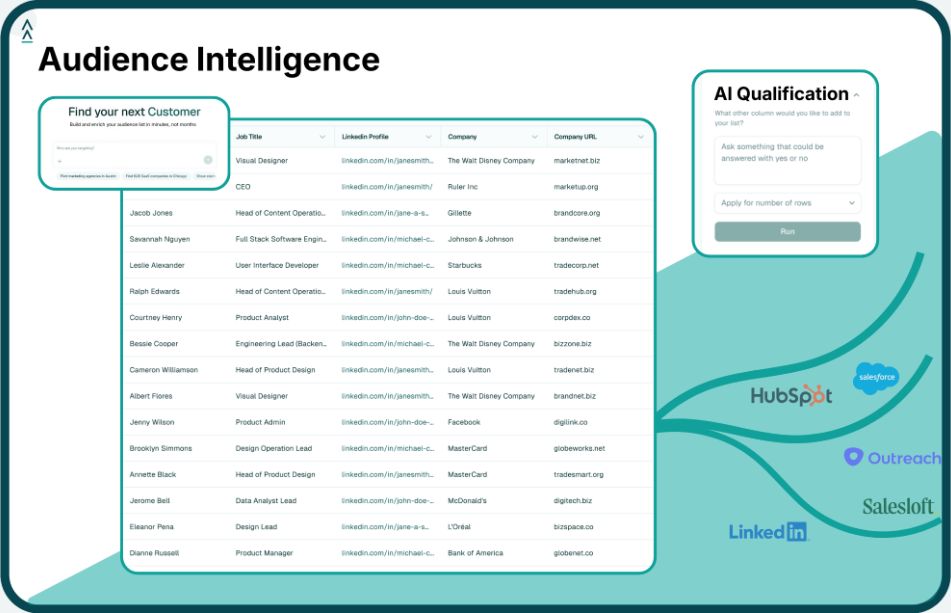
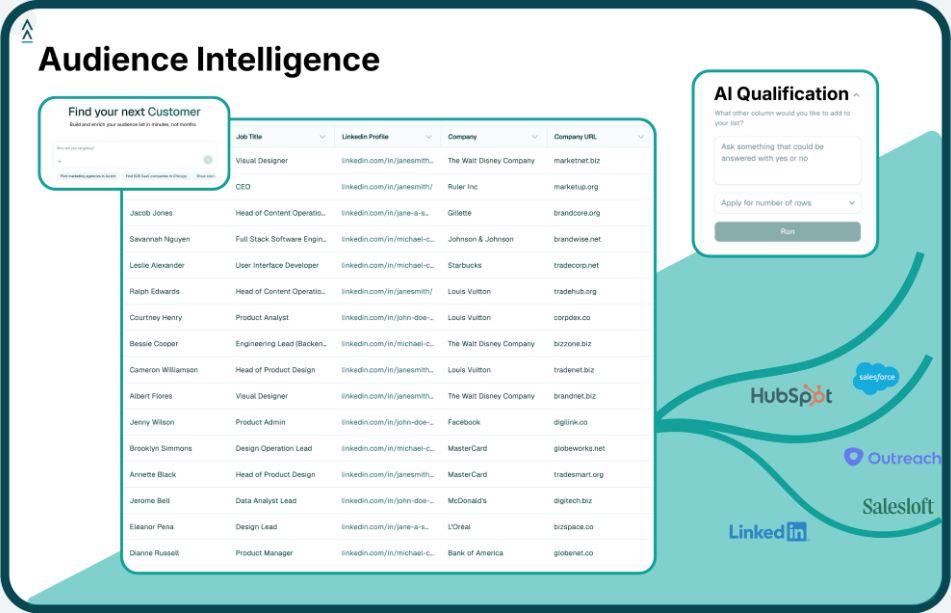
While many platforms offer basic reply tracking, Landbase takes a fundamentally different approach by focusing on frictionless audience discovery and qualification powered by agentic AI. Rather than requiring complex setup and ongoing maintenance, Landbase's Vibe platform enables users to build AI-qualified prospect lists instantly using natural language prompts.
The core innovation is GTM-2 Omni, Landbase's agentic AI model specifically built for go-to-market automation. Trained on billions of data points from 50M+ B2B campaigns, GTM-2 Omni understands business context and can identify prospects who match your ideal customer profile based on 1,500+ dynamic signals—including engagement behaviors that indicate buying intent.
Unlike traditional platforms that require account creation, credit cards, and complex configuration, Landbase offers a free audience builder embedded directly on their website. Users simply type a plain-English prompt like "Marketing Directors at e-commerce companies who have replied to outbound emails in the past 30 days" and receive an AI-qualified export of up to 10,000 contacts ready for immediate activation.
This prompt-to-export experience eliminates the technical barriers that typically slow down list building, allowing sales and marketing teams to focus on engagement rather than tool configuration.
What truly differentiates Landbase is its AI Qualification process, which ensures list precision through both online and offline analysis. The platform evaluates not just whether prospects exist, but whether they represent genuine opportunities based on real-time signals and historical performance data.
This dynamic signal layer continuously monitors market events, intent indicators, and engagement patterns to deliver audiences that convert at significantly higher rates than static database approaches. The result is fewer but higher-quality prospects who are genuinely ready to engage.
For teams looking to build reply-based prospect lists or identify accounts showing multiple buying signals, Landbase's agentic AI approach offers a faster, simpler, and more effective alternative to traditional data platforms.
Email replies represent active engagement rather than passive metrics like opens or clicks. When prospects take time to craft a response, they're demonstrating genuine interest and investment in your offering. This active engagement correlates strongly with buying intent, making replied-to-email signals among the strongest behavioral indicators available for lead qualification. Unlike accidental clicks, replies require deliberate thought and time investment from the recipient.
AI-powered platforms use natural language processing to automatically categorize reply intent, distinguishing between genuine interest, timing requests, objections, and rejections. This automation saves 8-15 hours weekly on manual sorting while enabling immediate routing to appropriate follow-up workflows based on reply type. Machine learning algorithms analyze sentiment, keywords, and context to understand the meaning behind each response. The AI continuously improves categorization accuracy by learning from historical patterns that correlate with closed deals.
Effective reply-based lists should be segmented by intent type (hot leads, timing requests, objections, etc.), enriched with firmographic and technographic data, and integrated with appropriate follow-up workflows. The key is moving beyond simple collection to strategic segmentation that enables personalized, timely engagement based on the specific nature of each reply. Multi-dimensional approaches that combine reply signals with company growth indicators, tech stack data, and engagement history create highly qualified segments. This ensures your lists aren't just warm but represent genuine opportunities ready for targeted engagement.
Yes, most modern platforms including HubSpot, ActiveCampaign, and Salesforce offer native integrations for email reply tracking. These typically use OAuth connections or webhooks to monitor replies in real-time and trigger automated workflows based on reply content and intent categorization. The integration process usually takes 2-5 days depending on tech stack complexity, with most platforms offering native connectors for common email and CRM systems. Once connected, reply signals can automatically route prospects into appropriate nurturing sequences and update CRM records.
Businesses that prioritize replied-to-email signals see dramatically improved results. AI-segmented reply-based lists consistently deliver 4-7x higher conversion rates compared to generic prospecting, while rapid response to replied leads (within 1 hour) makes teams 7x more likely to qualify them. This focus on high-intent signals significantly improves both efficiency and effectiveness by concentrating efforts on prospects who have already demonstrated interest. The time savings from AI automation and higher conversion rates combine to substantially reduce cost per acquisition.
Tool and strategies modern teams need to help their companies grow.